バナー
ブログ

Why Your Bulk Order Looks Different from the Sample

ブログ

Why Your Bulk Order Looks Different from the Sample

June 04, 2026


You approved the sample. It was perfect. Then the bulk order arrived—and something felt off.

The color was slightly different. The stitching looked less refined. The hardware felt lighter. Or worse: your customer noticed before you did.

This is one of the most common—and costly—pain points in custom bag manufacturing we often hear from clients. At SYNBERRY, we’ve spent over three decades managing OEM/ODM production across China and Cambodia, and we’ve seen how the gap between "sample perfection" and "bulk reality" can derail entire product launches.

Here’s why it happens, and more importantly, how to prevent it.

 Cambodia Bag Factroy


1. Material Batch Variation (The No.1 Silent Killer)

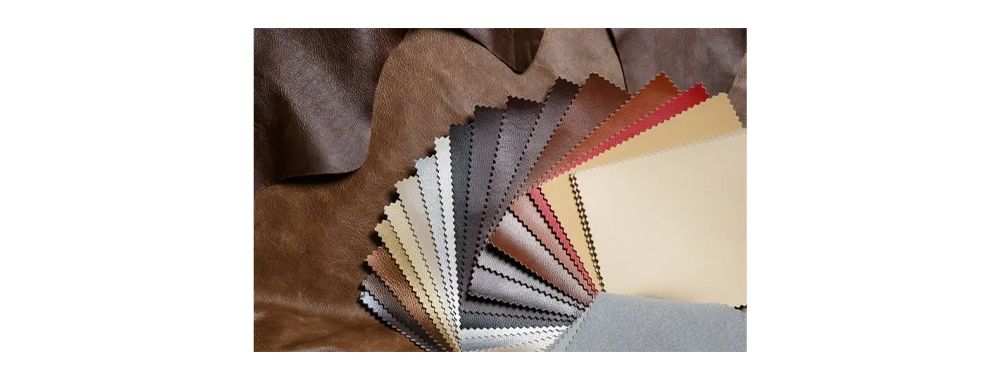
That beautiful cognac leather or dusty rose canvas you approved? It came from a specific batch.

In bulk production, materials are sourced from new rolls or new dye lots. Even with the same supplier and the same color code, natural materials like leather and canvas inherently vary. Dye lots can shift by 5–10% due to temperature, humidity, or chemical composition during tanning or fabric finishing.

What most buyers miss: A sample alone cannot lock in material consistency. Without a pre-approved "lab dip" or material swatch on file, your factory is working from memory, not a standard.

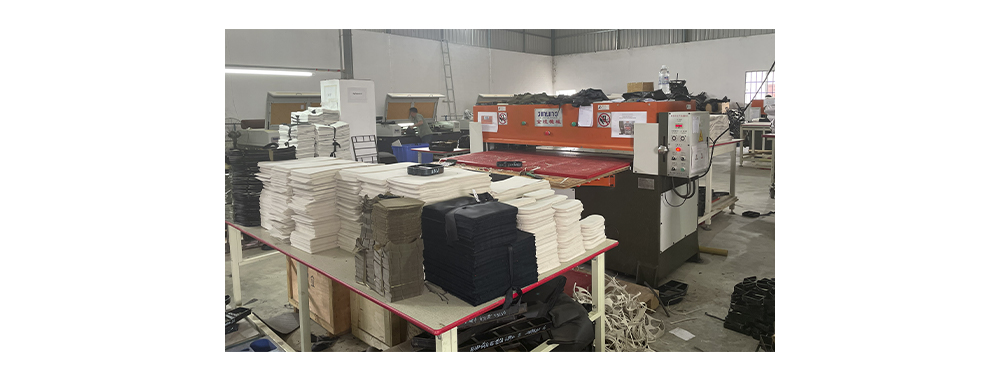
 Bag Materials


2. The "Handmade" Consistency Problem

Bags are not injection-molded plastic. They are cut, stitched, edge-painted, and assembled by human hands.

A sample is often made by your factory’s most skilled sample room technician—someone with 15+ years of experience, working slowly, under no time pressure, with the best materials on hand.

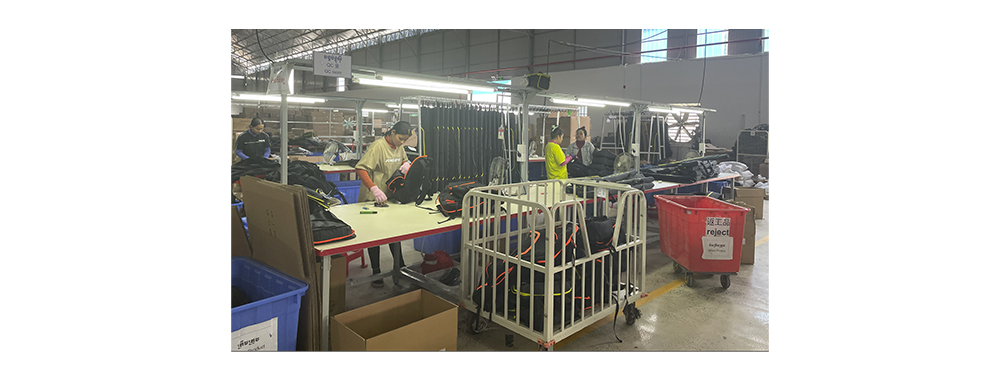
Bulk production shifts to the factory floor, where operators work to cycle-time targets. The same stitch density, edge paint thickness, or hardware alignment that looked effortless on the sample becomes harder to replicate at volume without:

    • Standard Operating Procedures (SOPs)
    • In-line quality checkpoints
    • Dedicated training for new operators

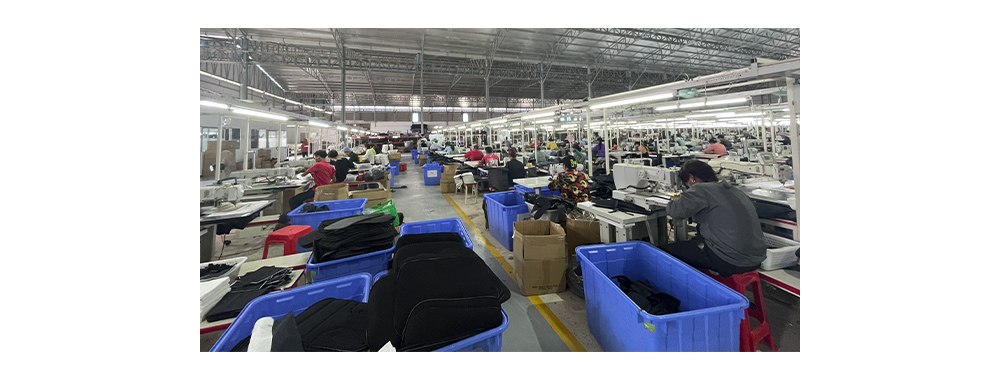
 Bag Production Line


3. Production Environment vs. Sample Room Environment

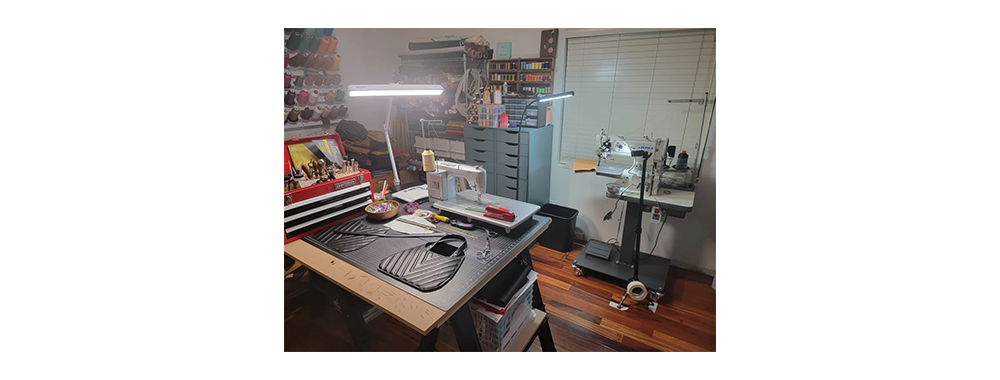
Sample rooms are climate-controlled, well-lit, and stocked with sharp blades and fresh glue.

Production floors are relatively more hot and humid, and fast-moving. Adhesive viscosity changes with temperature. Leather stretches differently in high humidity. Edge paint dries faster in dry air.

If your manufacturer does not control the production environment or adjust process parameters seasonally, the same construction method yields different results.

 Sample Room Environment


4. The "Bait and Switch" Risk (Intentional or Not)

Sometimes the difference is not accidental.

A less scrupulous supplier might use premium materials for the sample to win your order, then substitute cheaper zippers, thinner lining, or lower-grade leather in bulk to recover margin.

Even well-meaning factories can make substitutions when your specified material is out of stock, hoping you won’t notice.

 Fabric


5. Lack of a Sealed Reference Standard

Here is the critical failure point: many buyers approve a sample, but never establish a sealed master sample (also called a "golden sample" or "production standard").

Without a physical reference sample locked in the factory’s QC office—signed by both parties, with material swatches attached, and construction notes documented—there is no objective standard to judge the bulk against.

 Standard Sample Sealing


How to Prevent the Sample-to-Bulk Gap

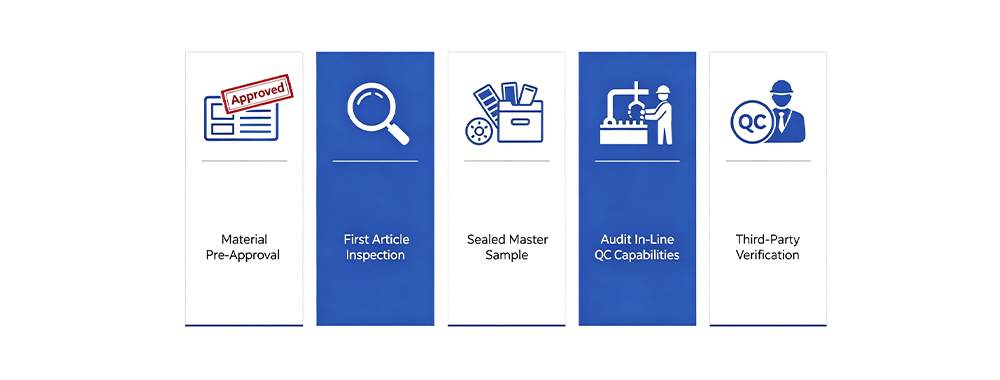
1.Insist on Material Pre-Approval

Before bulk production begins, approve not just the sample bag, but the specific material batch. Request a "cutting ticket" or batch record for leather, and a dye lot approval for fabrics. A well-organized bag manufacturer usually document the entire production process and carry such record for at least 6 months or longer.


2.Demand a First Article Inspection (FAI)

Do not skip the first article. The first 5–10 pieces off the bulk line should be pulled, compared against the sealed sample, and signed off by your QC or a third-party inspector before the line runs at full speed. An inspection at 10% production ready is recommended before goods 100% ready.


3.Establish a Sealed Master Sample

This should include:

    • The approved sample bag
    • Attached swatches of every material (main fabric, lining, webbing, zipper tape)
    • Color standard swatches
    • Hardware samples
    • A construction detail sheet with stitch count, seam allowance, and edge paint specifications


4.Audit In-Line QC Capabilities

Ask your manufacturer: "Who checks the goods during production, not just after?"

Factories with dedicated in-line QC teams catch deviations when they are still fixable— not when whole batch units are already packed.


5.Use Third-Party Verification

For high-value or first-time orders, book a During Production Inspection. It costs a fraction of a rework shipment and gives you photographic evidence of line conditions.

 Third-Party Verification


The SYNBERRY Standard

At SYNBERRY, we treat the sample-to-bulk transition as a controlled engineering process, not a leap of faith.

    • Sealed Sample Protocol: Every approved sample is archived in our QC dept with full material traceability.
    • Batch Consistency: We carry full record of fabric and accessories production samples for 12months, every new batch production is strictly compared and tested before materials can be entered into warehouse.
    • In-Line Control: Our Cambodia and China facilities operate with in-line QC checkpoints at cutting, stitching, and finishing.
    • FAI Mandatory: No bulk line runs without first product sign-off.

Because in B2B bag manufacturing, trust is built on consistency—and consistency is built on systems.


Ready to eliminate sample-to-bulk surprises? Contact our team, we’ll show you exactly how we control quality from sample room to shipping carton.


  Author  


ホットタグ : バッグ製造 Quality Control
お問い合わせ
住所 : Unit 905, Block B, Jinri Building, No. 88 Anling Second Road, Huli District, Xiamen, Fujian, China
連絡する

ぜひ読んで、投稿を続け、購読してください。ご意見をお聞かせください。

Linkedin WhatsApp Facebook instagram

著作権 @2024 Synberry Bag & Package Products Co.,Ltd 無断転載を禁じます . サポートされているネットワーク

サイトマップ / ブログ / Xml / プライバシーポリシー

伝言を残す

伝言を残す
私たちの専門知識がどのようにして最高品質で魅力的な製品を提供できるかについて話し合えることを楽しみにしています。ここから会話を始めてください。つながり、創造しましょう!
提出する

製品

ワッツアップ

お問い合わせ