
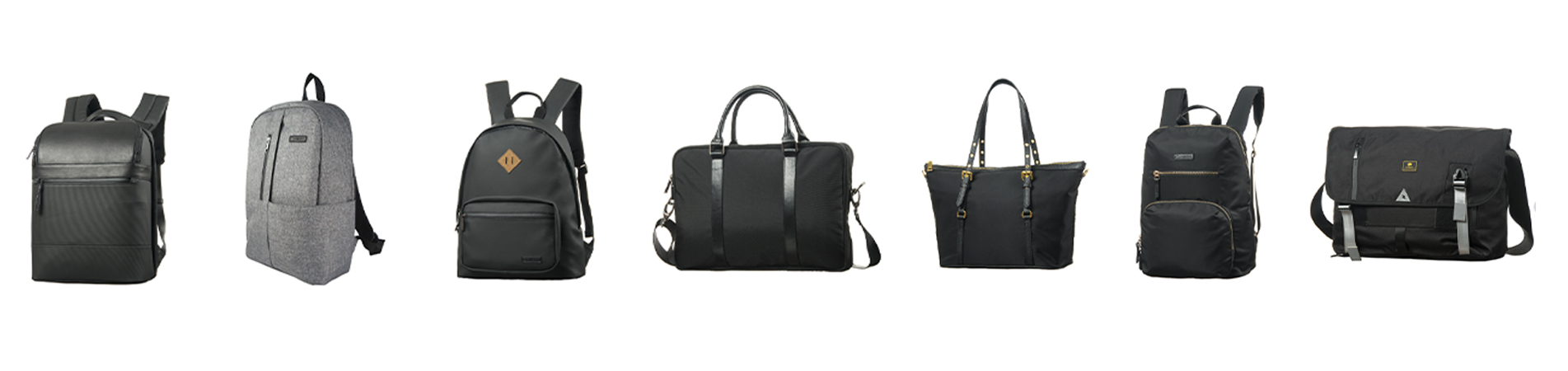
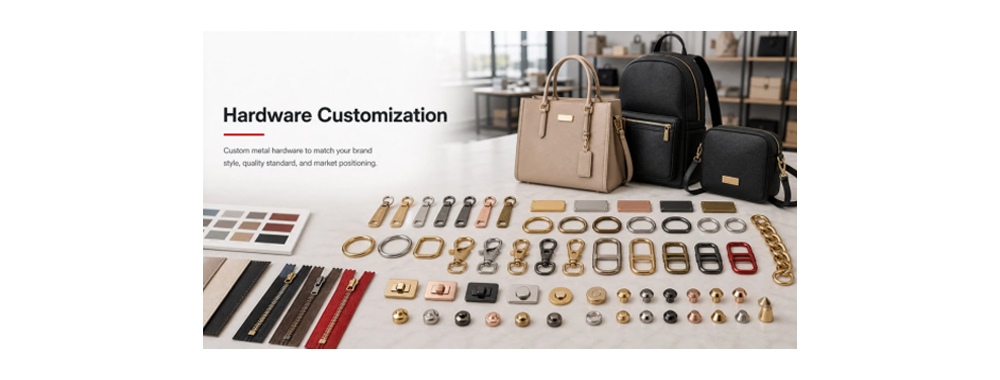
Hardware forms the functional backbone of a handbag. Closure components determine the convenience and security of opening and accessing the bag. Connecting hardware affects the structural integrity of the entire handbag. Handle and strap hardware directly influence load-bearing capacity and carrying comfort. Protective hardware helps minimize wear on the bag's base and edges, while metal logos serve as both brand identifiers and key elements of the product's visual identity. Although these components may appear to be merely accessories, they have a direct impact on the durability, user experience, and market recognition of the finished product.
As an OEM/ODM handbag manufacturer, we have found through years of collaboration with global brands that many clients invest significant effort in selecting fabrics and refining designs, yet often lack a systematic understanding of the technical specifications of handbag hardware. Choosing the wrong hardware type, mismatching materials, or using inappropriate installation methods can all lead to costly rework, delayed production schedules, and, ultimately, damage to a brand's reputation if these issues are not identified and resolved before mass production.
From the perspective of a professional manufacturer, this guide focuses on the five core categories of handbag hardware—closures, connecting hardware, handle and strap hardware, protective hardware, and metal logos—highlighting the key technical considerations involved in hardware selection. Our goal is to help brands make informed, accurate decisions when specifying hardware for OEM handbag projects, ensuring both product performance and manufacturing efficiency.
Catalogue
· Closures
· Connecting Hardware
· Handle & Strap Hardware
· Protective Hardware
· Metal Logos
· How to Match Hardware with Handbag Styles
· Purchasing Tips for B2B Buyers
· Frequently Asked Questions (FAQ) for B2B Buyers
Zippers are the hardware component with the highest failure rate in handbags. Common issues include fabric snagging, detached zipper pulls, and broken zipper teeth. In most cases, these problems are not simply a matter of whether a branded zipper is used. Instead, they result from selecting the wrong zipper size, material, or slider structure.
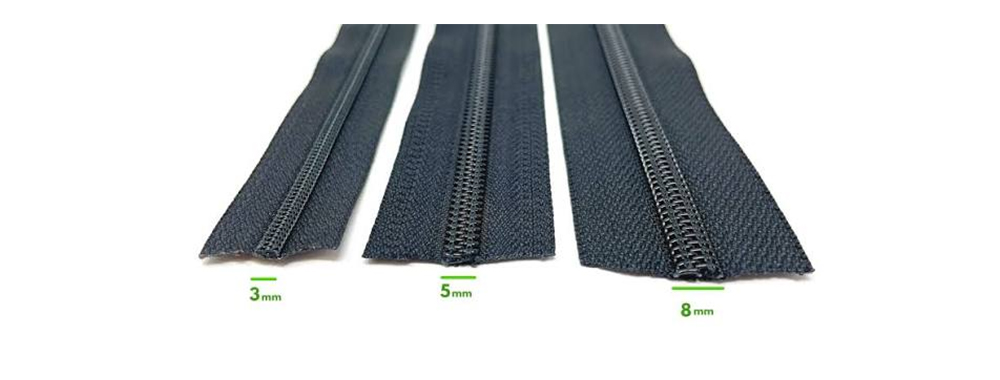
1.1.1 Zipper Sizes: #3, #5, and #8
A zipper size refers to the width of the zipper chain when the teeth are fully closed, measured in millimeters.
|
Size |
Chain Width |
Typical Applications |
Load Capacity (Reference) |
|
#3 |
3 mm |
Interior pockets, hidden pockets, slim clutches |
3–5 kg |
|
#5 |
5 mm |
Main openings of handbags, shoulder bags, tote bags |
8–12 kg |
|
#8 |
8 mm |
Travel bags, tool bags, heavy-duty backpacks |
15–25 kg |
For OEM orders, if customers do not specify the zipper size clearly, we generally provide proactive recommendations based on the bag style and load-bearing requirements. For thin fabric crossbody bags, the main opening can usually use a #3 zipper, and many products also commonly use a #3 zipper for inner pockets. Structured briefcases or large-capacity tote bags should be upgraded to #5 zippers, while oversized travel totes and genuine leather backpacks require #8 zippers to ensure durability and long-lasting performance.
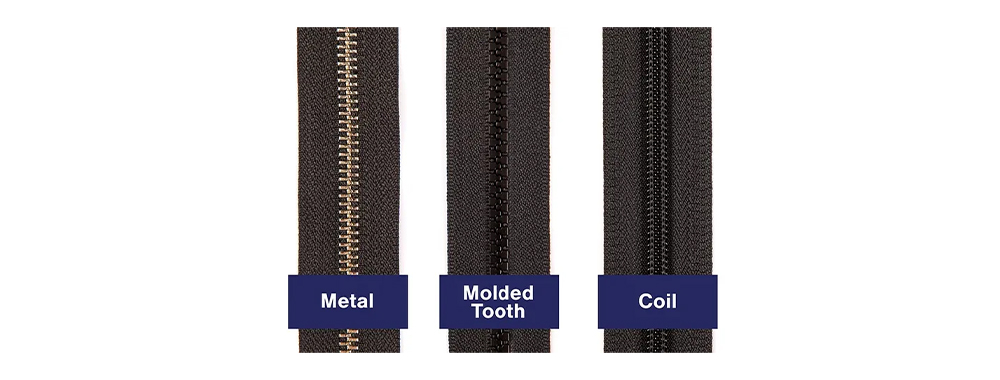
1.1.2 Zipper Materials: Metal vs. Nylon vs. Resin
The material of the zipper has a direct impact on a handbag's appearance, weight, durability, and overall user experience. Selecting the right zipper material should be based on the bag's intended style, functional requirements, and target market.
|
Material |
Advantages |
Disadvantages |
Typical Applications |
|
Metal Zippers (Brass / Aluminum Alloy) |
Premium appearance, excellent wear resistance, available in a wide range of electroplated finishes |
Heavier weight, higher cost, susceptible to oxidation and discoloration over time |
Premium leather handbags, vintage-style bags |
|
Nylon Coil Zippers (Polyester Coil) |
Lightweight, smooth operation, quiet, cost-effective |
Can deform under high temperatures, offers a more casual appearance |
Sports bags, casual bags, interior pockets |
|
Resin Zippers (POM Plastic Teeth) |
Water-resistant, color-customizable, corrosion-resistant |
Moderate strength, may become brittle in low-temperature environments |
Outdoor bags, children's bags, waterproof bags |
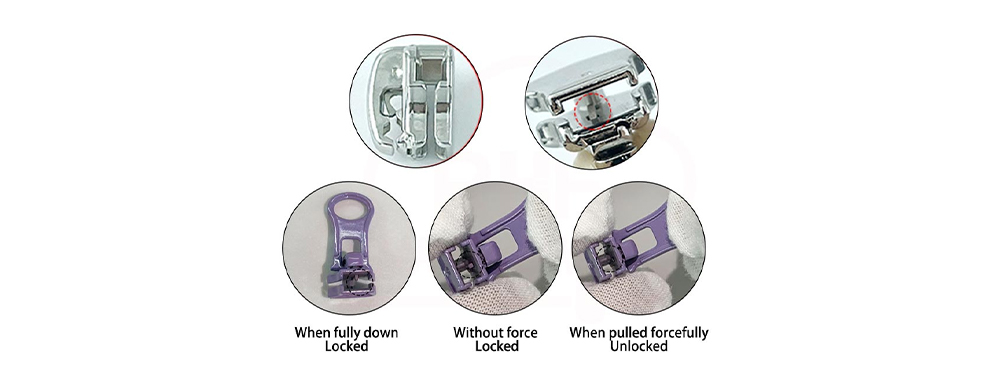
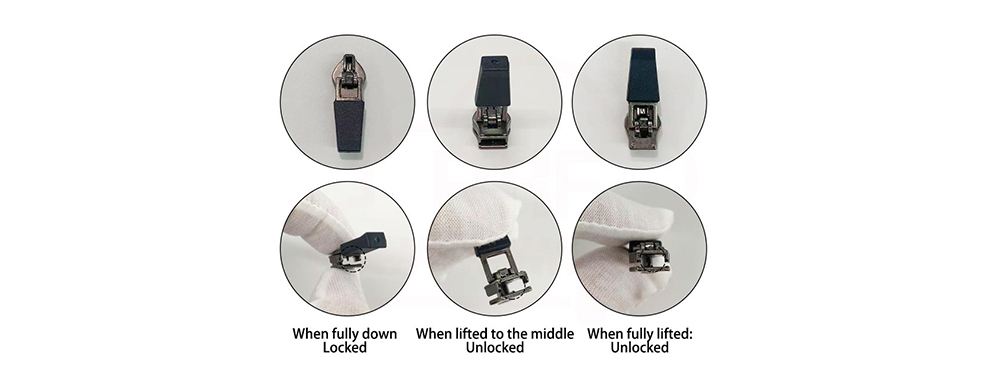
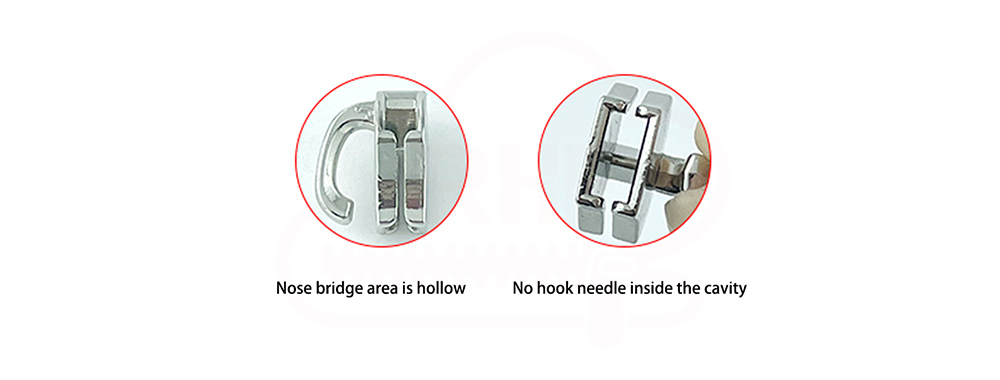
1.1.3 Zipper Sliders: Auto Lock vs. Semi-Auto Lock vs. Pin Lock
The locking mechanism of a zipper slider determines how securely the zipper stays closed, as well as the overall user experience. Choosing the appropriate slider type depends on the bag's intended application, security requirements, and cost considerations.
If zippers are responsible for opening efficiency, locks and clasps are responsible for security and the sense of interaction. The mechanical design of each closure type directly influences the user's experience every time they open or close the bag.
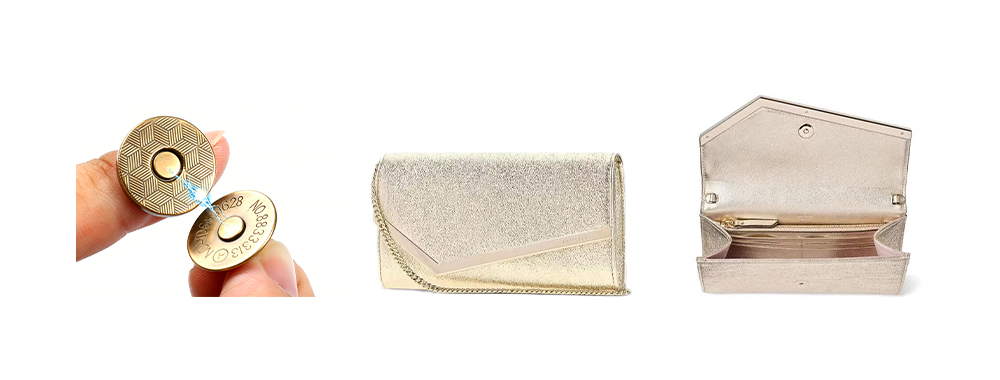
1.2.1 Magnetic Snap
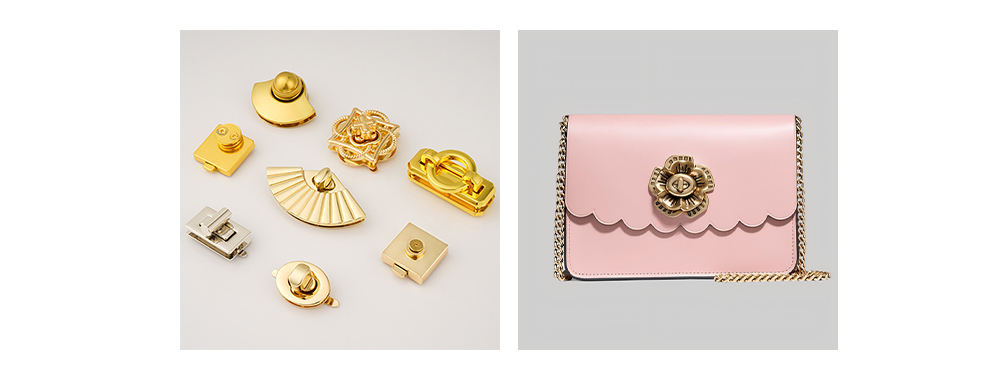
1.2.2 Turn Lock
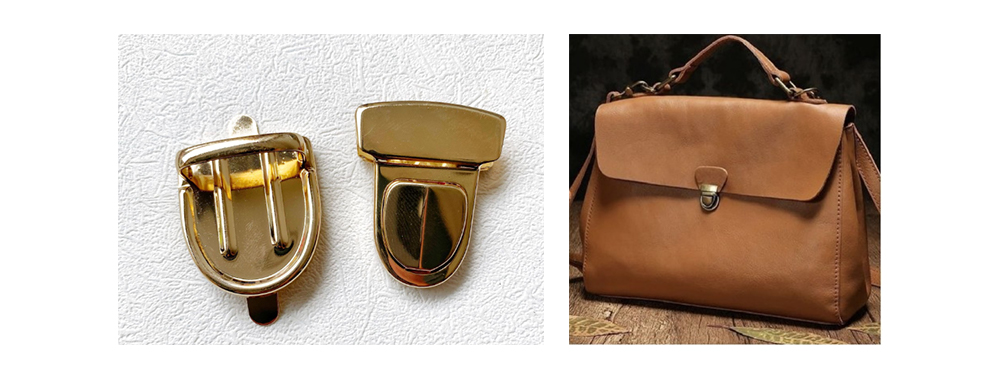
1.2.3 Push Lock
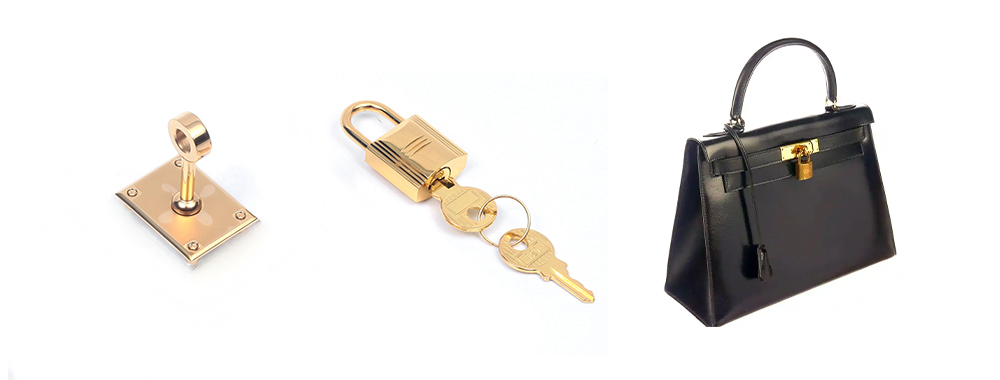
1.2.4 Saddle Lock (Kelly Lock)
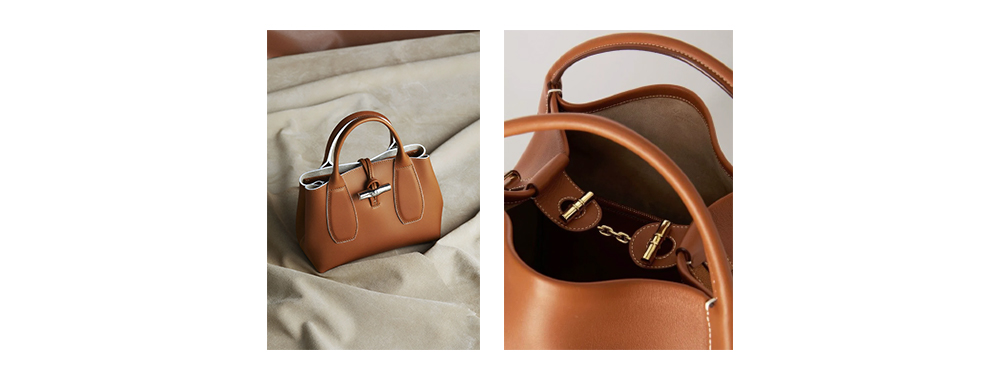
1.2.5 Toggle Closure
1.2.6 Ring Closure (O-Ring / C-Ring Closure)
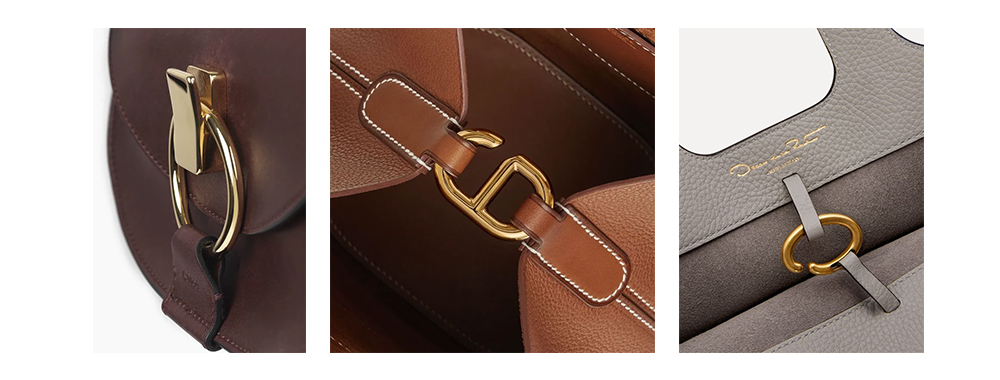
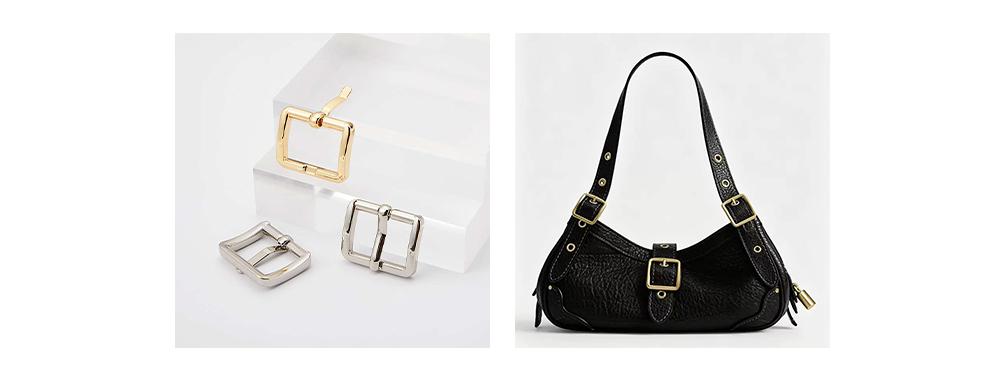
1.2.7 Pin Buckle
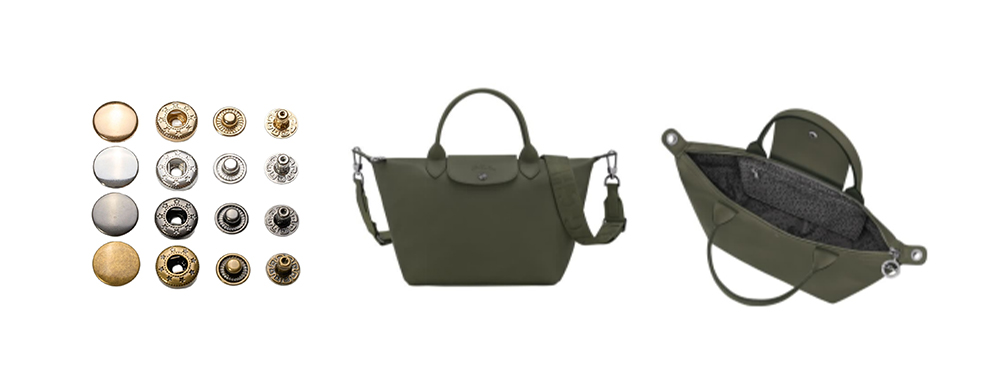
1.2.8 Snap Fastener (Snap Button)
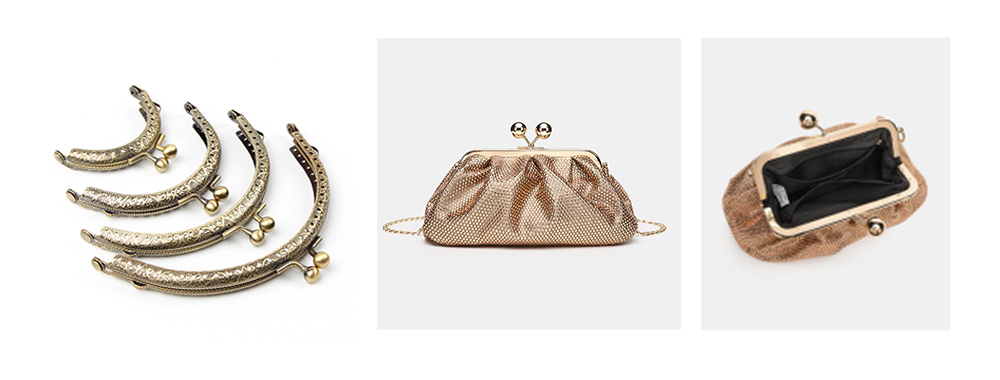
1.2.9 Kiss Lock Frame
Although connecting hardware does not directly participate in the opening and closing functions of a handbag, it serves as the structural hub of the entire bag construction. The quality of these components directly determines whether the handbag maintains its structural integrity or eventually becomes loose and unstable.
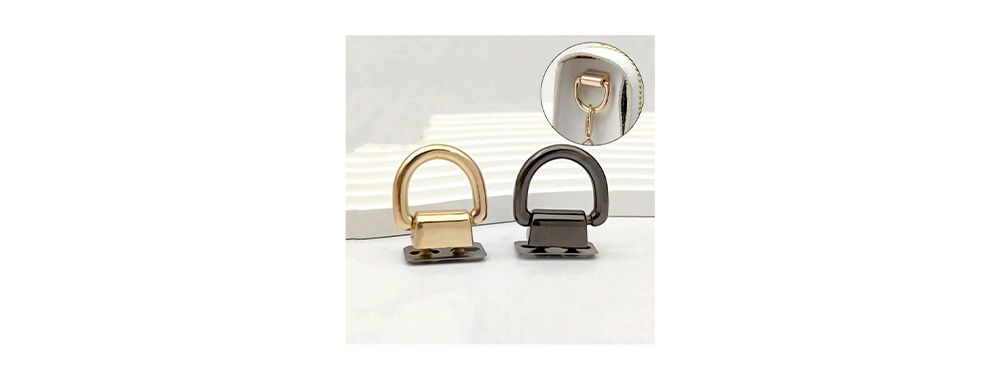
A D-ring is shaped like the letter “D.” Its straight edge is sewn or fixed onto the bag body, allowing it to bear force in a single direction while preventing unnecessary movement. It can be found on both sides of almost every handbag with a shoulder strap and is considered one of the most stable solutions for shoulder strap attachment.
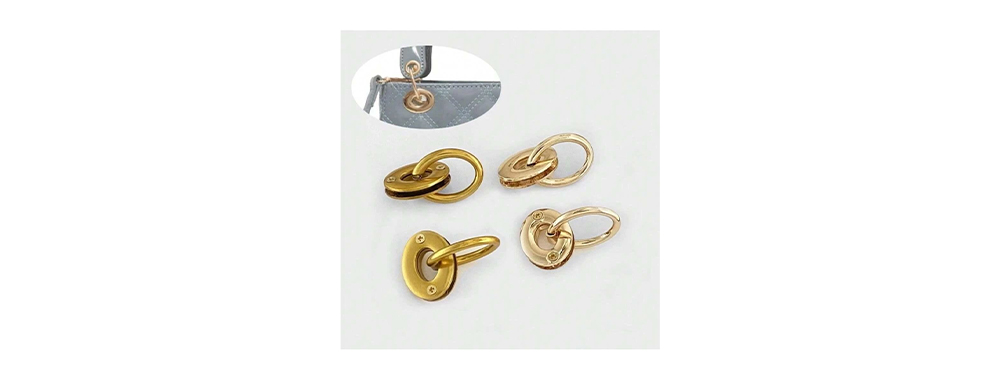
A round or oval-shaped ring that can move freely within a webbing strap or leather loop. It distributes force evenly in multiple directions and is commonly used for shoulder strap movement and adjustment.
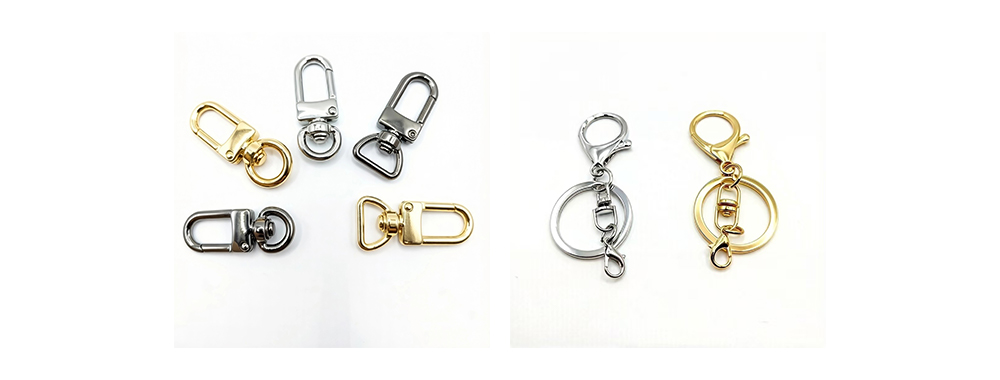
2.3 Hook & Lobster Clasp
These are the two most common quick-release components used at the connection point between the shoulder strap and the handbag body.
The front end features a small spring-loaded hook. It has a slender shape and is designed to attach to D-rings or O-rings. Its overall appearance gives a more vintage-inspired aesthetic.
Named for its resemblance to a lobster claw, it features a larger spring-loaded opening that allows smoother attachment and detachment. With strong load-bearing capacity, it has become the preferred choice for the majority of detachable shoulder straps today.
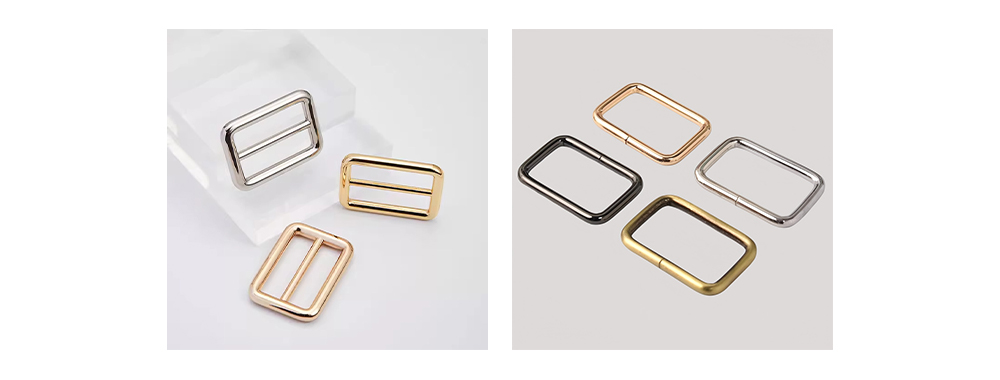
Named for its resemblance to the Chinese character “日” (a rectangular shape with a middle horizontal bar), it is used for adjusting the length of shoulder straps or bag straps. During use, the webbing is inserted through one side, wrapped around the center bar, and then pulled through the other side. The strap is secured through friction.
A rectangular frame-shaped component commonly used as a decorative connector or for belt-style bag straps.
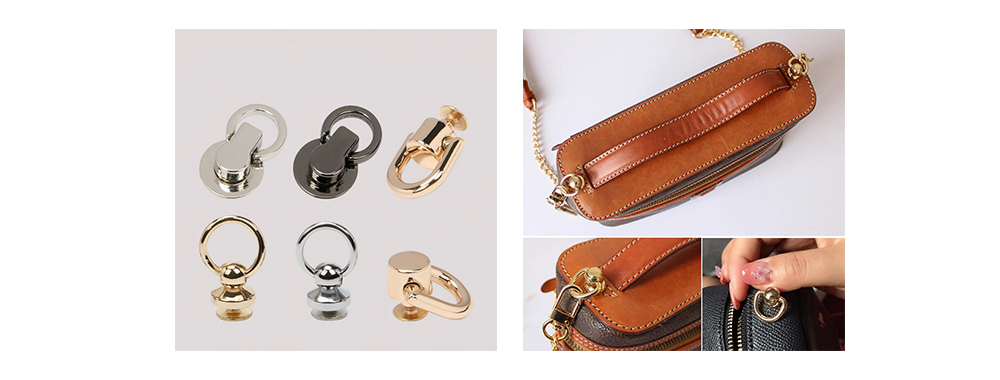
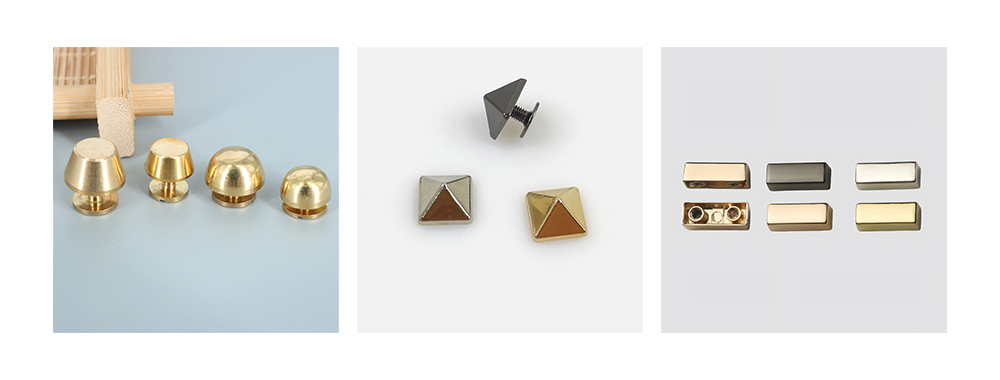
A type of metal stud featuring a raised mushroom-shaped head. It is usually riveted onto the bag body or flap and serves as the male component of a mushroom head lock closure. It can also be used independently as a decorative rivet.
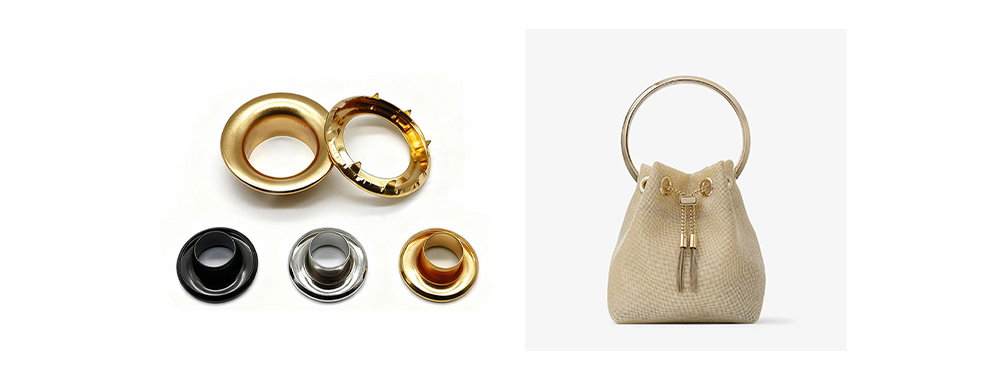
A hollow metal ring used to reinforce holes made in leather or other materials, preventing tearing or damage caused by pulling force. It is commonly used in locations such as shoulder strap adjustment holes and drawstring openings on bucket bags.
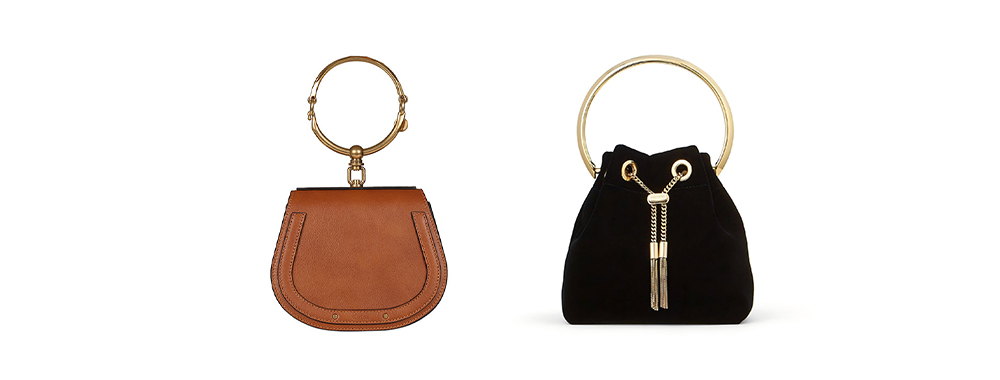
These components directly determine how a handbag is carried and worn, making them one of the most important elements affecting the overall user experience.
The hardware components used for handbag handles typically include handle bases (handle attachments / handle brackets), which are metal bases fixed onto the bag body and used to connect and secure the handle. Common connection methods include:
The handle is directly fixed onto the bag body using rivets. This method provides the highest level of strength and durability.
The handle is connected through metal rings or loops attached to the bag body, allowing greater flexibility and movement.
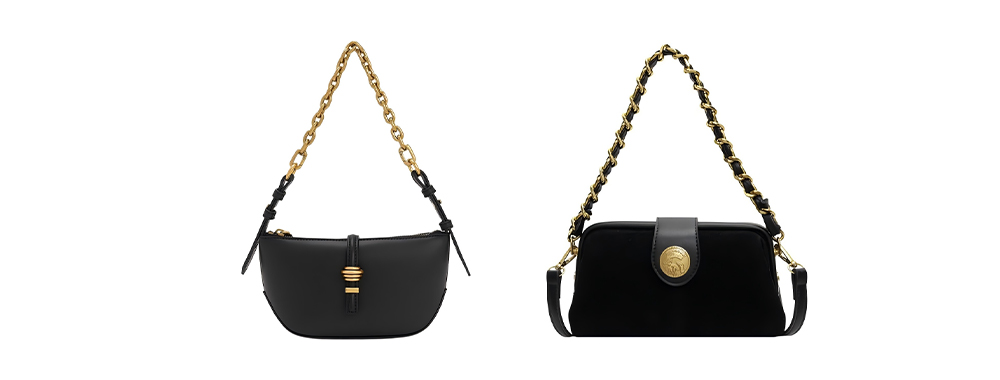
Metal chains can be used as shoulder straps or decorative elements. They are commonly made from brass or steel and finished with various electroplating treatments to achieve different colors and surface effects.
Common chain structures include:
Made of flat metal plates interlocked with each other, creating a sleek and structured appearance.
Constructed with three-dimensional round links interlocked together or woven with leather. It has a softer, more flexible feel similar to a rope.
These components may appear subtle, but they play a critical role in handbag construction. They quietly take on the important functions of shock absorption, wear protection, and structural support.
Metal or plastic studs installed on the bottom of a handbag. Common shapes include round, cone-shaped, square, and pyramid-shaped feet.
Their main function is to elevate the bottom of the bag, preventing the leather surface from directly contacting tables or floors. They serve as the first line of defense in extending the lifespan of the bag base.
For high-end handbags, bag feet are often made with a brass base combined with multiple layers of electroplating, providing a solid feel, enhanced durability, and better resistance to wear.
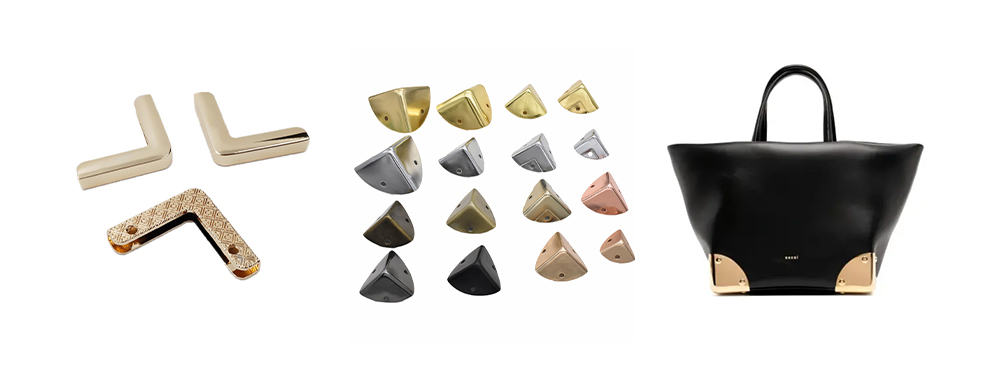
Metal components attached to the four bottom corners of a handbag, usually designed in L-shape or curved forms.
They are commonly found on structured briefcases or vintage trunk-style handbags. Corner protectors not only safeguard the areas most vulnerable to impact and abrasion but also serve as a strong decorative element that enhances the overall design style.
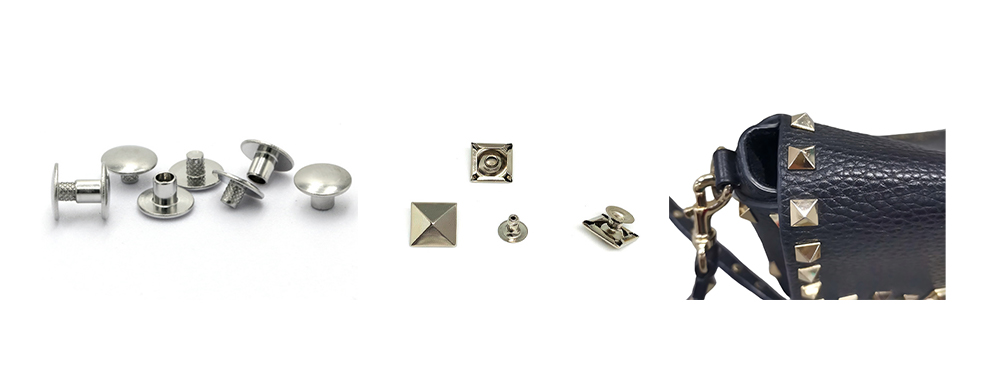
Metal fasteners used to reinforce stress-bearing areas, such as handle attachments and shoulder strap ends. They can also be used purely for decorative purposes.
Authentic rivets are permanently fixed through hammering or machine pressing, where the metal is deformed to create a secure connection. Compared with screw-based fastening methods, rivets provide stronger, more reliable, and longer-lasting performance.
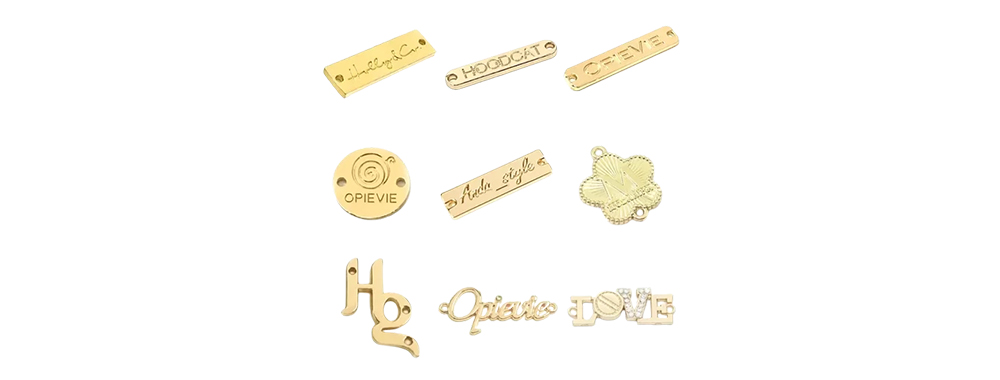
Metal logos are one of the most important branding spaces on a handbag. Although they do not contribute to the bag’s functionality, they play a crucial role in brand recognition and identity.
In OEM projects, the selection of metal logos is often simplified as simply “making a logo plate.” In reality, every detail—from the material selection to the attachment method—directly affects the final appearance, texture, and perceived quality of the finished product.
|
Material |
Density |
Casting Precision |
Surface Finishing |
Typical Applications |
|
Zinc Alloy (Zamak) |
Medium |
Extremely high; suitable for complex patterns and detailed designs |
Electroplating, painting, epoxy coating |
Most mid-to-high-end handbags |
|
Stainless Steel |
High |
Average; suitable for laser cutting |
Brushing, PVD coating, mirror polishing |
Minimalist styles, industrial styles, outdoor bags |
|
Brass |
High |
High; suitable for die casting |
Antique finishing, oxidation-resistant coating |
Vintage handbags, handcrafted leather goods, luxury positioning |
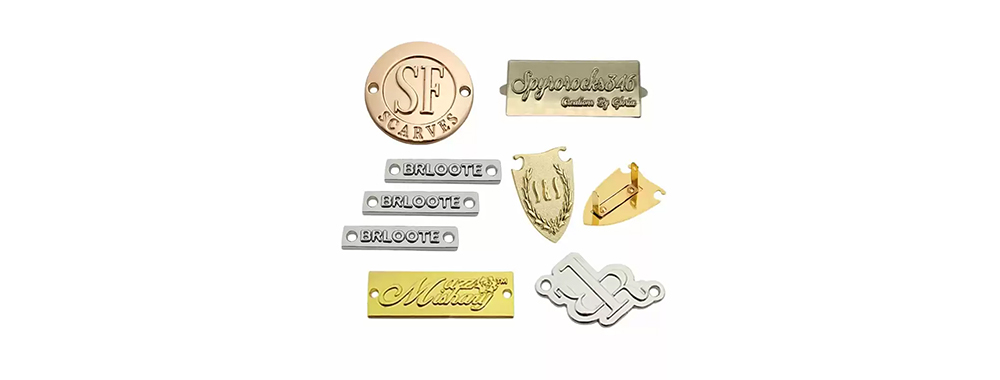
Die casting can accurately reproduce complex and detailed designs. Three-dimensional metal logo plates created through this process feature sharp edges, fine lines, and rich textured surfaces.
This precision craftsmanship enhances the visual appeal of the logo and gives it a more premium and professional appearance.
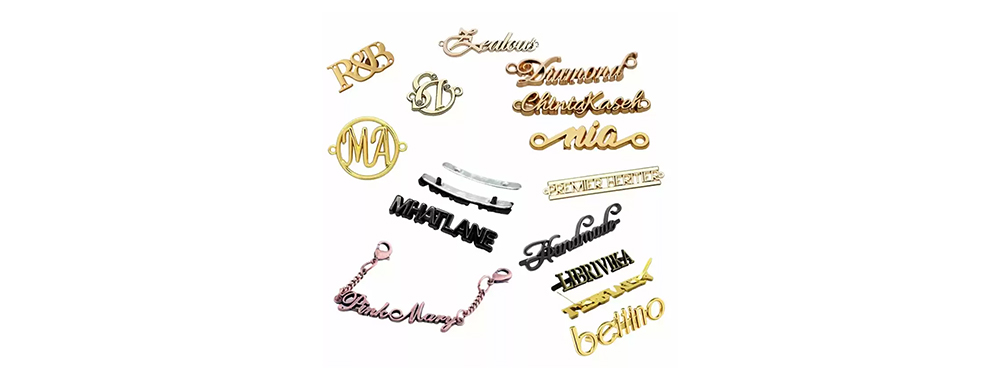
Engraved metal tags are another popular choice for handbag brand identification. Engraving creates a subtle yet elegant branding element, enhancing the overall aesthetic value of the product.
The engraved text or patterns are deeply etched into the metal surface, making them highly resistant to fading, scratching, and wear. This durability ensures that brand information remains consistently visible and withstands the demands of daily use.
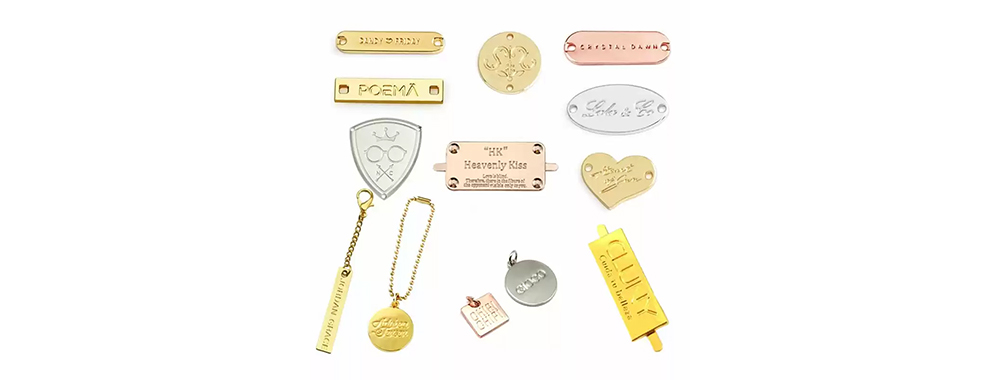
Embossed metal tags are an excellent choice for handbag and purse branding. They provide a unique and stylish way to display logos or brand names.
The design or logo is raised above the surface of the tag, adding depth and a three-dimensional effect to the brand element. The tactile quality of embossed tags also creates a distinctive sensory experience for customers.
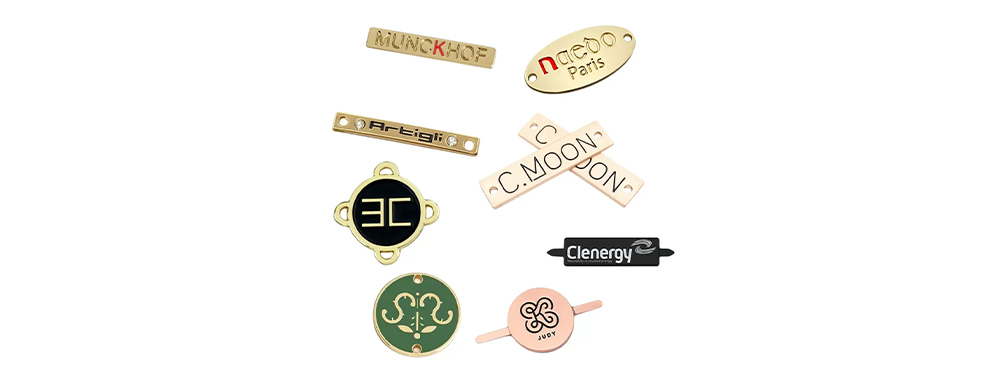
Custom metal tags with painted finishes can add color and further personalization to handbag and purse branding.
Paint adds color contrast and visual impact, making logos or designs stand out more prominently on the metal surface.
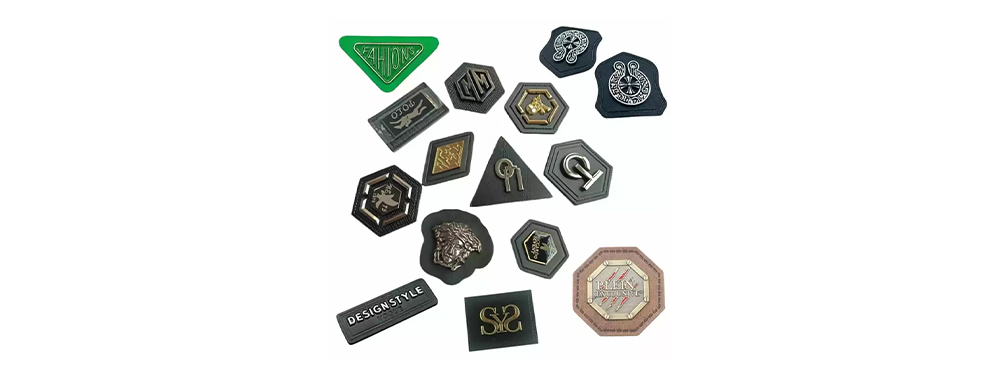
A soft and flexible polyurethane layer is added underneath or around the metal logo plate. The combination of durable metal and a soft PU backing provides both strength and elegance.
It helps protect the handbag material while adding a premium, durable branding element to the product.
A groove is reserved along the edge of the logo plate to allow stitching. The metal logo is then directly sewn onto the handbag body, flap, or shoulder strap.
This method provides a secure attachment that is difficult to detach and is compatible with most flat materials. It is one of the most commonly used fixing methods in OEM orders.
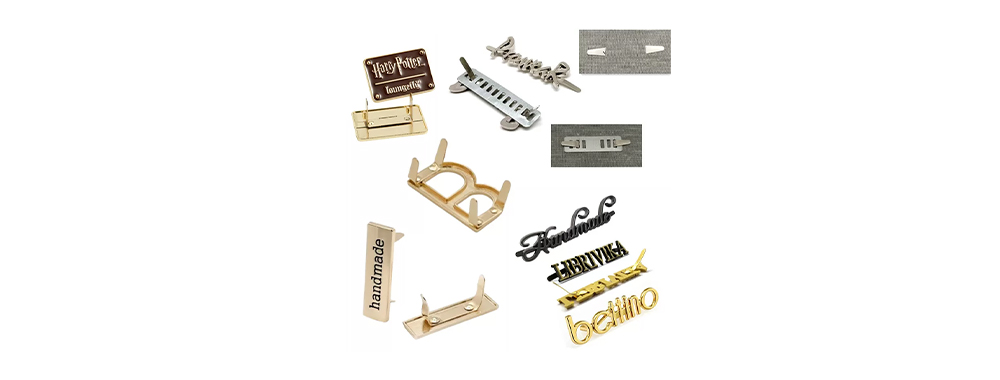
Fixed prongs are created on the back of the logo plate. After passing through pre-punched holes in the material, the prongs are folded and pressed tightly. A backing plate is then added on the inner side to prevent loosening.
This method is suitable for thicker genuine leather or structured materials and provides a highly secure attachment with minimal movement.
The logo plate is directly fixed onto the handbag using one or multiple rivets.
This method is simple and efficient to install, with relatively low cost. It is suitable for handbags with a minimalist design style.
 PU Ring Sewing
A PU leather ring is wrapped around the outside edge of the metal logo before the entire piece is sewn onto the handbag.
This softens the rigid appearance of the metal logo, allowing it to blend better with the handbag material. It creates a softer aesthetic and is suitable for casual and affordable luxury handbags.

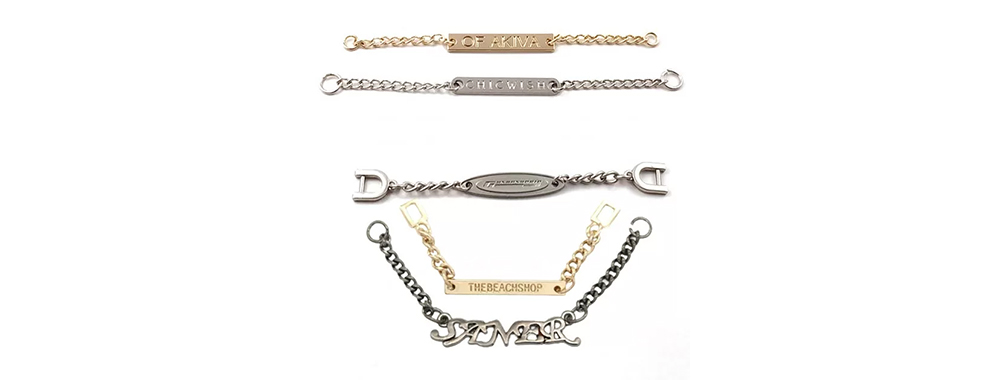
The logo plate is attached to the side of the handbag or handle area through a short metal chain.
This is primarily a decorative attachment method, creating a lively and flexible appearance. It is commonly used for designer-style niche handbags.
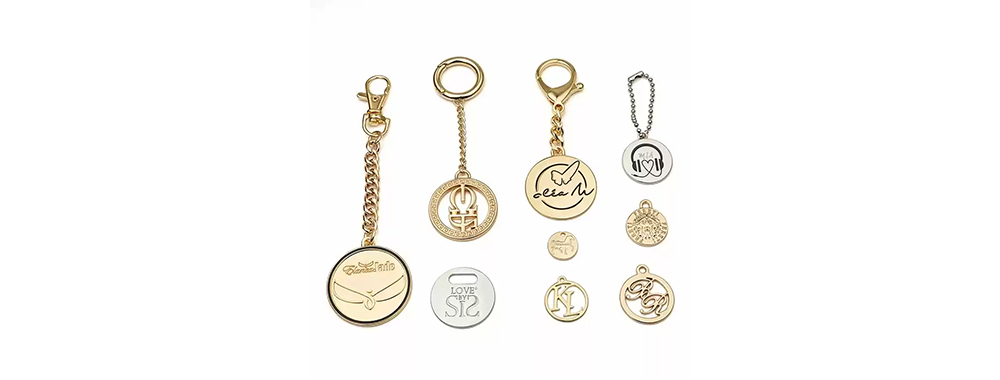
A closed metal ring is integrated into the logo plate itself, allowing it to be directly attached to a hanging loop on the handbag.
This method provides flexible installation and allows the logo to be easily removed or replaced. It is suitable for samples requiring interchangeable branding elements or handbags emphasizing styling flexibility.

The logo plate is connected to the handbag through a short metal chain that is sewn onto the bag body.
Similar to the hanging chain method, but with a shorter chain length, the logo stays closer to the bag surface and does not swing excessively. It balances decorative appeal with stability and is suitable for small luxury handbags.
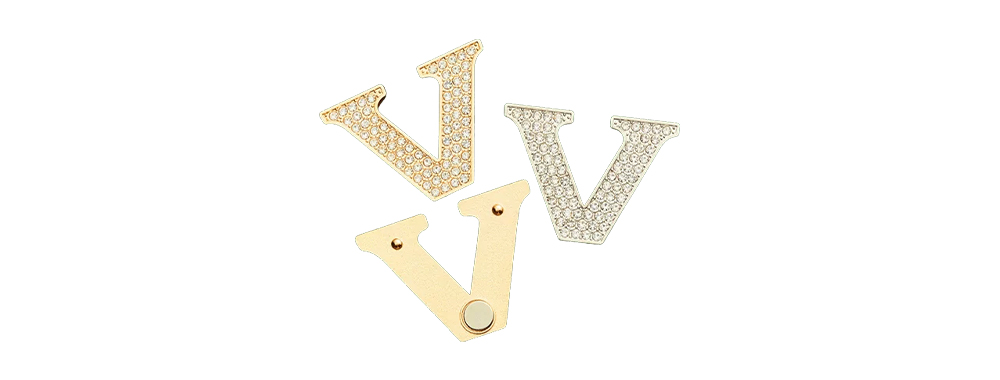
A magnet is installed on the back of the logo plate, allowing it to attach securely to the handbag material.
It can be easily removed and replaced, making it suitable for handbags requiring interchangeable logos or limited-edition collections.
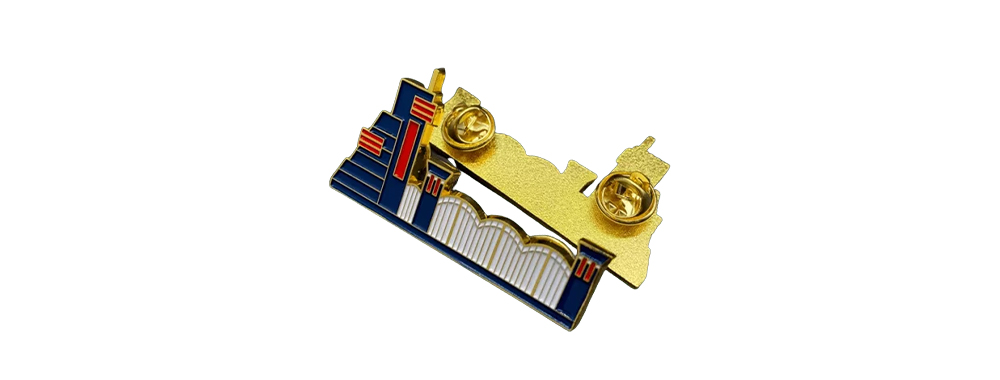
A fixing post extends from the back of the logo plate and is secured with a butterfly-shaped clasp.
It is easy to install, simple to replace, and provides stable fixation. It is also one of the most commonly used attachment methods for metal logo plates.
Hardware does not exist independently. It must work in harmony with the material, structure, and brand positioning of the handbag to create a unified design language. Based on different style directions and market positioning, we recommend different hardware selection strategies for our customers:
For minimalist handbag designs, prioritize basic hardware with clean and understated designs. Brushed stainless steel D-rings and metal logo plates are ideal choices. Avoid overly decorative engravings and excessively glossy finishes. Low-saturation matte metal textures can better highlight the simple, refined, and structured design language.
Vintage handbags can be paired with antique-finished brass hardware, along with retro-inspired components such as push locks, saddle locks, and kiss lock frames. These hardware choices not only enhance the vintage atmosphere but also strengthen the handbag’s sense of heritage and timeless character.
For sporty and casual handbags, lightweight nylon zippers and resin zipper teeth are preferred. Glossy electroplated hardware or colorful painted metal components better match the energetic and relaxed style of casual products. Hardware colors can also be coordinated or contrasted with the bag material to achieve a balance between practicality and a youthful, dynamic appearance.
Premium leather handbags are best paired with full metal-tooth zippers, brass or zinc alloy die-cast three-dimensional logo plates, and solid, high-quality closure hardware. The weight, refined texture, and craftsmanship of metal components complement the luxurious feel of genuine leather, reinforcing the product’s premium positioning.
Designer-focused handbags offer greater flexibility in mixing different materials, finishes, and hardware shapes. Unique closure designs, unconventional hardware forms, and special electroplating colors can be used as key design elements to enhance brand individuality and create stronger visual recognition.
In OEM orders, hardware selection is one of the most easily underestimated stages of product development. When confirming the Pre-production Sample with the factory, B2B buyers are advised to carefully review the following key parameters:
|
Inspection Item |
Checking Points |
|
Zipper Size |
Are the zipper specifications for the main compartment and interior pockets appropriate? |
|
Zipper Material |
What materials are used for the zipper teeth, slider, and pull tab? |
|
Clasp Magnetic Strength / Torque |
Is the magnetic snap strength ≥ 2 kg? Does the turn lock operate smoothly with appropriate torque? |
|
Strength of Connecting Hardware / Protective Hardware |
|
|
• Pull Test Performance |
Under tensile testing, do the connecting components show any deformation or detachment? Does the electroplated surface show peeling, lifting, or burrs? |
|
• Bag Feet Thickness |
Are the bottom feet sufficiently thick and durable? Can they effectively support and protect the bag structure? |
|
Logo Attachment |
Does the back of the logo plate have fixing prongs or screw reinforcement for additional stability? |
|
Electroplating Salt Spray Test |
Has the hardware passed the 24-hour neutral salt spray test? |
|
Heavy Metal Compliance |
Does the hardware comply with REACH and California Proposition 65 (CA Prop 65) requirements? |
Q1: How should handbag hardware be maintained during daily use?
A: Simply remember three key principles: regular cleaning, isolation, and protection from water and chemicals.
After each use, wipe the hardware surface with a soft, dry cloth (such as a microfiber glasses cloth). Pay special attention to fingerprints and sweat marks, as removing these residues promptly is one of the most effective ways to slow down oxidation.
When storing unused handbags, wrap the hardware with acid-free tissue paper or the original protective film, then place the bag inside a dust bag. This helps prevent direct friction between hardware components or between the hardware and leather surfaces.
Avoid contact with water, perfume, skincare products, and other chemicals. If the bag gets wet from rain, absorb the moisture immediately and allow it to air dry naturally. Do not use a hair dryer with hot air to dry the hardware or leather.
Important: Do not use toothpaste, alcohol, white vinegar, or similar substances to clean hardware, as they may damage the electroplated surface. If a zipper becomes stuck, use a candle or soap to lubricate the zipper teeth instead of forcing it open.
Q2: Are YKK zippers always better than regular zipper brands?
A:
YKK does have an industry-leading reputation for consistency, smooth operation, and quality control. However, its cost is also relatively higher.
For mid-range handbags, brands such as SBS and SAB, when paired with the correct zipper size, material, and structure, can fully meet everyday usage requirements.
The key point is: do not focus only on the brand name. The zipper model and material must match the handbag’s actual application and usage environment.
Q3: Can the mold cost for a custom metal logo plate be avoided?
A:
Yes. If the first order quantity is below 1,000 pieces, we recommend using processes such as laser engraving or screen printing, which do not require mold development.
Once the order volume becomes stable, investing in tooling for three-dimensional die-cast metal logos can be considered to achieve a more premium finish.
Q4: Will magnetic snaps affect mobile phones or credit cards?
A:
Standard neodymium magnetic snaps generally do not have enough magnetic strength to damage smartphones or chip cards.
However, stronger magnets (with pulling force above 5 kg) may potentially affect older magnetic stripe cards.
If your target customers are sensitive to this issue, you can include a note such as “magnetic closure is safe for daily use” in the product information, or consider replacing the magnetic closure with a turn lock design
Q5: What is the typical MOQ for handbag hardware?
A:
For standard hardware components (such as regular zippers and magnetic snaps), the MOQ is usually shared with the handbag production order, meaning no separate hardware MOQ is required.
However, customized hardware (such as custom zipper pulls or unique-shaped locks) typically requires a minimum order quantity of 1,000–3,000 pieces, depending on mold complexity and supplier policies.
Hardware is both the “skeleton” of a handbag and the finishing detail that enhances its overall appeal. From the locking mechanism of a zipper to the opening and closing experience of a clasp, every hardware selection decision directly affects the user experience and the customer’s perception of brand quality.
For OEM handbag projects, there is no need to blindly pursue premium hardware brands with high price premiums. By selecting the right models, materials, and manufacturing processes according to the handbag’s positioning and usage scenarios, brands can achieve stable, durable, and stylistically consistent products while maintaining cost efficiency.
During the selection process, carefully reviewing specifications and confirming pre-production samples can help avoid most common hardware quality issues. This ensures that the final delivered products align with your brand positioning and meet market expectations.
ぜひ読んで、投稿を続け、購読してください。ご意見をお聞かせください。




著作権
@2024 Synberry Bag & Package Products Co.,Ltd 無断転載を禁じます
.
 サポートされているネットワーク
サイトマップ / ブログ / Xml / プライバシーポリシー


