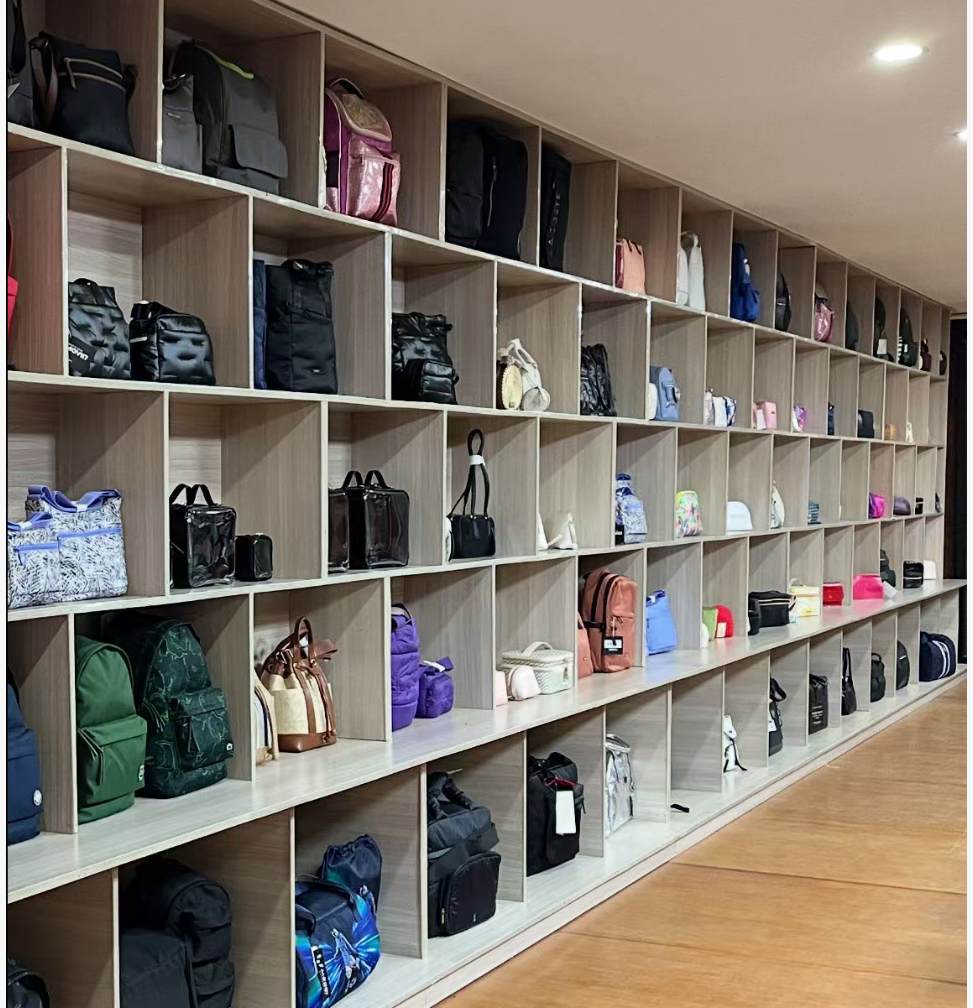
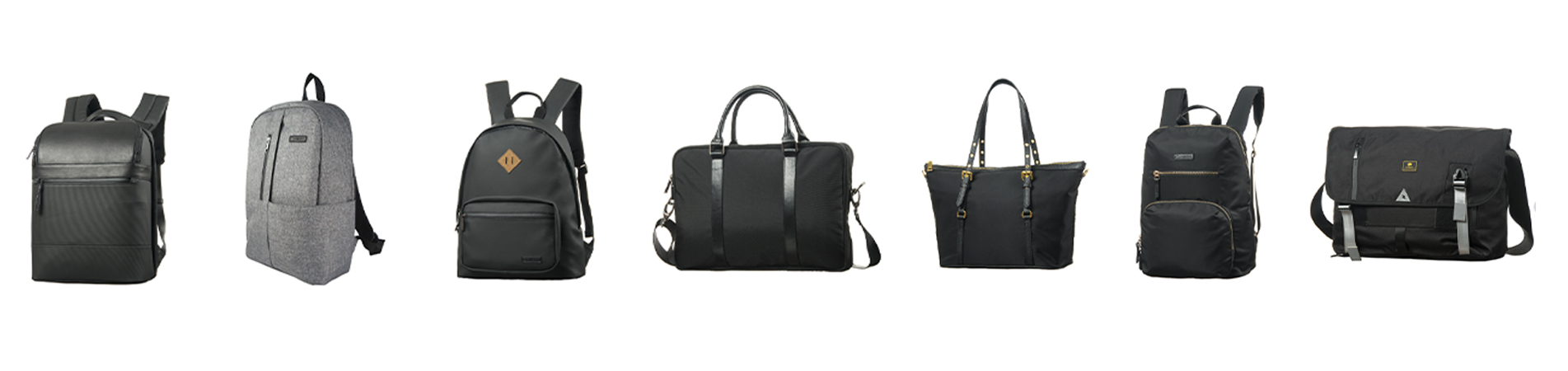
バナー
ブログ

Five Core Advantages of Cambodia Bag Manufacturing VS Vietnam

ブログ

Five Core Advantages of Cambodia Bag Manufacturing VS Vietnam

April 08, 2026


Why More Global Brands Are Choosing Cambodia as Their Bag Manufacturing Base Instead of Vietnam Bag Factories


Amid the ongoing restructuring of global supply chains, Cambodia is rapidly emerging as a rising powerhouse in bag manufacturing. While Vietnam bag manufacturers have long been regarded as the benchmark for Southeast Asian manufacturing, latest data reveals that Cambodia is demonstrating unique competitive advantages in the Travel Goods sector. In 2025, Cambodia's bag exports exceeded $2 billion, with the entire GFT (Garment, Footwear, Travel Goods) industry hitting a historic high of $16 billion in total exports.

This article provides an in-depth analysis of the five core advantages Cambodia holds over Vietnam bag factories, offering data-driven insights for your supply chain decisions.


I. Significant Cost Advantage: Labor Costs Remain Competitive vs Vietnam Bag Manufacturers


Cambodia's minimum wage stands at just $210/month (2026 standard), significantly lower than Vietnam bag factories' current labor costs. Despite annual adjustments by the Cambodian government (the 2026 increase was only $2 to $210), this gradual approach balances worker welfare with industrial cost competitiveness.

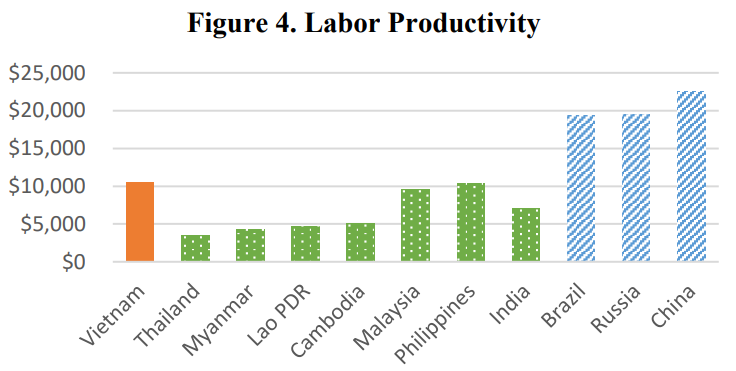
For labor-intensive products like bags, this cost differential translates directly into a 15-20% manufacturing cost advantage over Vietnam bag manufacturers. Notably, Cambodia's labor productivity continues to rise steadily, with industrial sector productivity reaching $2,424 per worker in 2019.


II. Exclusive Tariff Benefits: GSP Preferences Unlock Market Access Unavailable to Vietnam Bag Factories


This represents Cambodia's most strategically valuable differentiator compared to Vietnam bag manufacturers.

Since 2016, Cambodia has enjoyed U.S. GSP (Generalized System of Preferences) status, allowing travel goods (including luggage, backpacks, handbags, and wallets) to enter the U.S. market duty-free. In contrast, similar products from Vietnam bag factories face MFN (Most Favored Nation) tariffs of 10-30%.

Even with the 19% U.S. tariff imposed on Cambodia in 2025, labor cost advantages enable Cambodian bag manufacturing to remain competitive with Vietnam bag manufacturers and Thailand. Additionally, Cambodia benefits from:

  • EU EBA (Everything But Arms) status: Zero tariffs, zero quotas into the EU market
  • China-Cambodia Free Trade Agreement: Further reducing export costs to China
  • RCEP (Regional Comprehensive Economic Partnership): Cumulative origin advantages across the Asia-Pacific region

These preferential trade arrangements provide bag exporters with cost savings of 12-33% on tariff expenses compared to Vietnam bag factories.


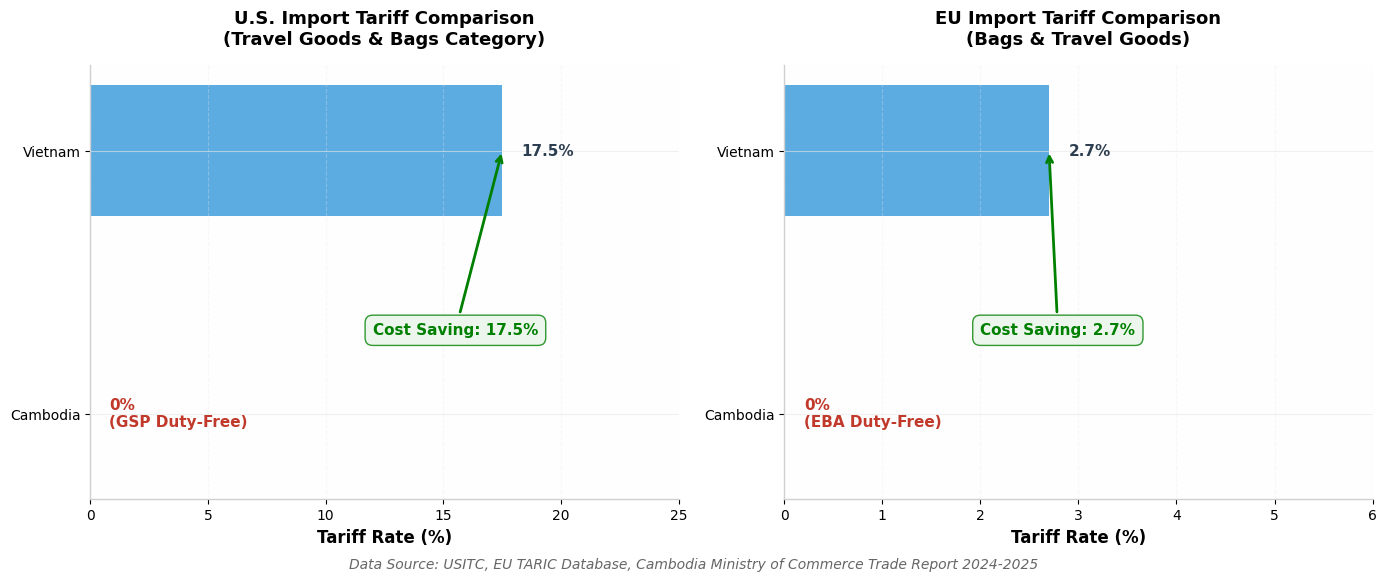
U.S. & EU Market: Tariff Comparison from Vietnam Bag Manufacturers and Cambodia

Quantifying Tariff Costs: This is the most direct cost competitiveness comparison against Vietnam bag manufacturers. In the U.S. market, Cambodian bags enjoy 0% duty under GSP, while Vietnam bag factory products face an average 17.5% MFN tariff (ranging 10-30%).

The EU market is equally favorable: Under EBA status, Cambodia enjoys zero tariffs in the EU market; while Vietnam bag manufacturers, despite EVFTA benefits, still pay an average 2.7% duty. For the low-margin bag industry, this 2.7% difference is substantial at scale.


Risk Note: While U.S. GSP policy carries uncertainty (historically intermittent), Cambodian bag manufacturing maintains overall cost competitiveness with Vietnam bag factories even under the 2025 19% tariff scenario, thanks to labor cost advantages. Moreover, EU EBA benefits are guaranteed through at least 2029, providing certainty for mid-to-long-term planning.


III. Specialized Industry Cluster: Vertical Deep-Dive Beyond Vietnam Bag Factory Capabilities


Cambodia has established dedicated GFT industrial clusters (Garment, Footwear, Travel Goods). As of 2024, the country hosts approximately 1,600 GFT factories, employing over 800,000 workers, 75.5% of whom are female.

Unlike Vietnam bag factories' broad-spectrum manufacturing base, Cambodia has developed highly specialized divisions in bag manufacturing:

  • Travel Goods Specialized Factories: Accumulated rich expertise in specific bag-making techniques (adhesive bonding, edge painting, heat stamping, etc.)

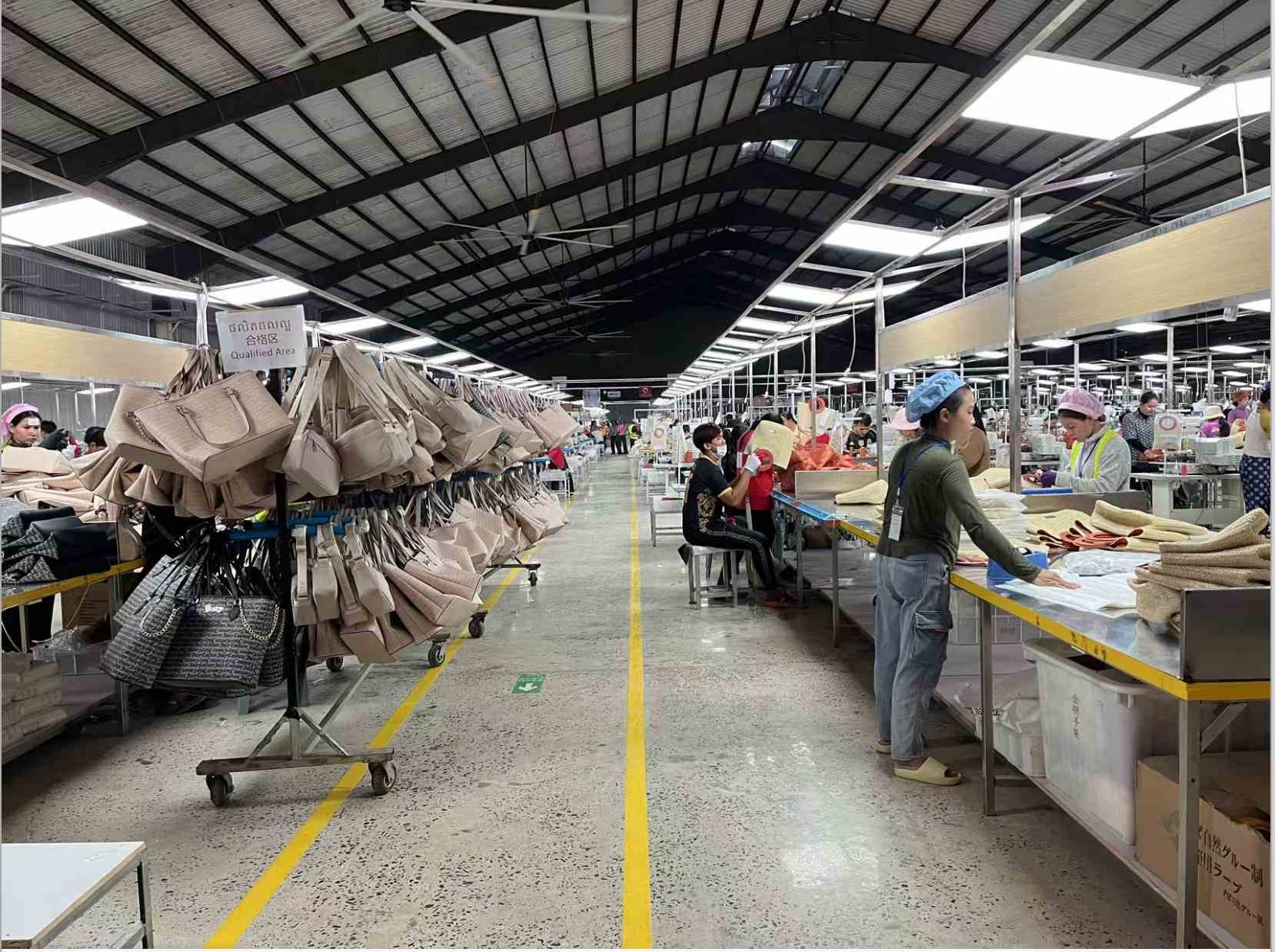
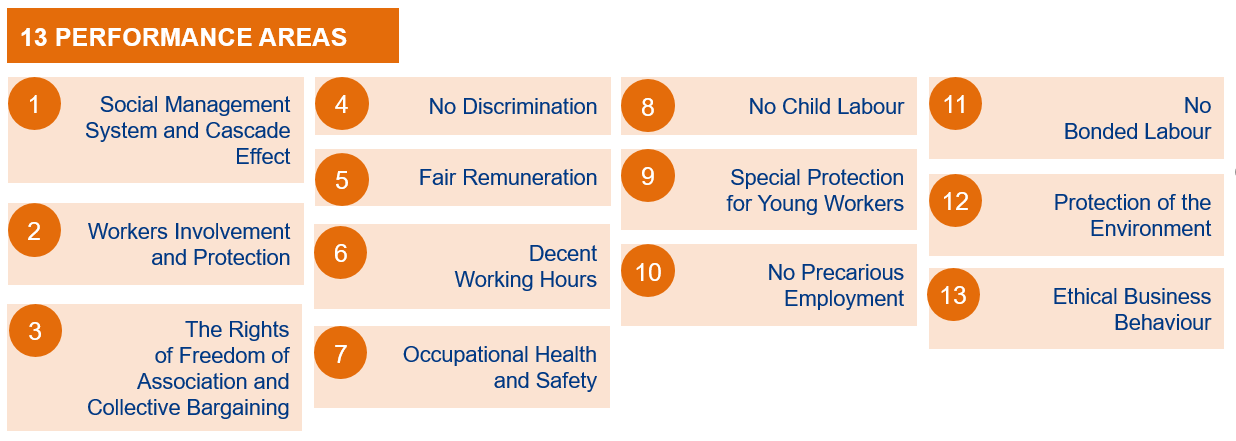
  • Scalable Capacity: Companies like SYNBERRY BAG CAMBODIA employ nearly 2,000 workers with monthly capacities reaching 500,000 bags. Fully audited and compliance with BSCI/SMETA/ISO/C-TPAT/GRS/ICS/FCS and so on.

  • Integrated Supply Chain: Complete in-house production capabilities from fabric cutting, sewing, various logo techniques, in-house lab testing, through final inspection, bag disinfection, and packaging.

Under Cambodia's GFT Industry Development Strategy 2022-2027, the government is actively pushing upgrades from pure CMT (Cut-Make-Trim) models to OEM/ODM capabilities, meaning Cambodian factories now possess the capacity to undertake design development and high-value-added orders that rival Vietnam bag manufacturers.


IV. Flexible & Agile Supply Network: The Optimal Choice vs Vietnam Bag Factories for Smaller Batches & Quick Response


Compared to Vietnam bag factories' structure dominated by mega-factories, Cambodia's factory scales are more flexible, providing unique advantages for smaller batch sizes, greater style variety, and faster turnaround bag orders.

Data shows typical Cambodian factory MOQs range from 3,000-5,000 pieces per style. Companies like SYNBERRY BAG CAMBODIA can meet major brands' quality and capacity requirements while maintaining flexible OEM/ODM manufacturing capabilities for small-to-medium brands seeking alternatives to Chinese production and large-scale Vietnam bag manufacturers.


V. Political Stability & Strategic Positioning: A Safe Haven for Long-Term Investment vs Vietnam Bag Factory Risks


The Cambodian government treats manufacturing as an economic pillar, with the industrial sector projected to grow 8.6% in 2025, marking the second consecutive year of 8%+ growth. This policy stability provides safeguards for long-term investment.


Compared to Vietnam bag manufacturers' exposure to trade friction risks, Cambodia retains Least Developed Country (LDC) status through 2029, enjoying special international trade treatment during this buffer period. Even after LDC graduation, Cambodia can maintain zero-tariff EU market access through compliant GSP+ programs, provided human rights and environmental standards are met—aligning perfectly with responsible brand value propositions.

Conclusion: Cambodia—The Strategic High Ground for Bag Manufacturing vs Vietnam Bag Factories

For bag brands seeking cost optimization, tariff advantages, and flexible capacity, Cambodia offers a value proposition that Vietnam bag manufacturers struggle to replicate. Particularly in the U.S. market, GSP zero-tariff benefits (if policy continues) can directly translate into 10-30% price competitiveness over Vietnam bag factory imports.

Official import-export data confirms Cambodia's manufacturing advantages over Vietnam bag manufacturers: Over the past five years, Cambodian Travel Goods exports have shown exponential growth, jumping from $1.25 billion in 2020 to $2 billion in 2025—a cumulative increase of 60%. By contrast, while Vietnam bag manufacturers maintain absolute volume advantages ($4.8 billion), growth has significantly decelerated, with only 26% total growth over the past 5 years, indicating market saturation signs as early as 2021.

While Vietnam bag factories retain advantages in infrastructure sophistication, for labor-intensive, relatively standardized bag products primarily exported to U.S. and EU markets, Cambodia undoubtedly represents the more strategically forward-looking choice compared to traditional Vietnam bag manufacturers.

Therefore, for brands evaluating supply chain layout, we recommend a "China + Cambodia" dual-base strategy: retaining high-complexity or highly flexible production requirements in China, while shifting standardized bag product lines to Cambodia to maximize tariff benefits and cost advantages over Vietnam bag factory options.


Ready to Optimize Your Bag Supply Chain Beyond Vietnam Bag Manufacturers ?


Whether you're considering shifting existing orders from Vietnam bag factories or establishing Southeast Asian manufacturing capacity for the first time, our team provides end-to-end support—from factory audits, sample development, through to mass production and delivery.

Contact us today:

Email: [email protected] 

Whatsapp: +86-139-5921-4481

(All data sources: Cambodia Ministry of Commerce, EuroCham Cambodia, GMAC (Garment Manufacturers Association in Cambodia), Asian Apparel Industry Observatory Report (2024-2025)

ホットタグ :
お問い合わせ
住所 : Unit 905, Block B, Jinri Building, No. 88 Anling Second Road, Huli District, Xiamen, Fujian, China
連絡する

ぜひ読んで、投稿を続け、購読してください。ご意見をお聞かせください。

Linkedin WhatsApp Facebook instagram

著作権 @2024 Synberry Bag & Package Products Co.,Ltd 無断転載を禁じます . サポートされているネットワーク

サイトマップ / ブログ / Xml / プライバシーポリシー

伝言を残す

伝言を残す
私たちの専門知識がどのようにして最高品質で魅力的な製品を提供できるかについて話し合えることを楽しみにしています。ここから会話を始めてください。つながり、創造しましょう!
提出する

製品

ワッツアップ

お問い合わせ